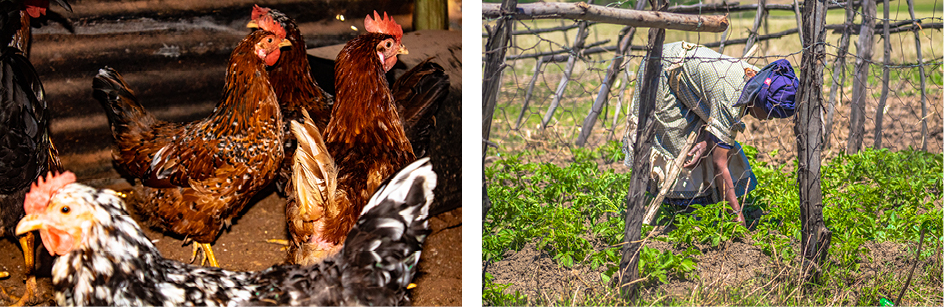
Hlengiwe Zuma and Mzamo Mnikathi share their experiences at the...
Read MoreSustainable Food Systems and Livelihoods
Food systems for the future
Supporting and promoting sustainable food systems is at the heart of this theme. This includes the production and processing of food crops and livestock, the integration of waste and by-products into the system by promoting a circular economy, and securing the rights of people to safe, healthy food in sufficient quantities. Sustainability of the food system needs to ensure that the systems we develop and implement also promote biodiversity and are resilient to the impacts of climate change. Livelihoods of vulnerable people living in rural, urban and peri-urban areas are integrally linked with natural resources, whether for the production of food, rearing of livestock and poultry, or accessing water for agriculture and household use.
The aim of the Sustainable Food Systems and Livelihoods Theme is to support livelihoods and food production systems that optimise the use of available resources and contributes to social and economic sustainability. We recognise that interventions to support livelihoods cannot only address technical challenges but must be grounded within the social and institutional context.
Our work includes
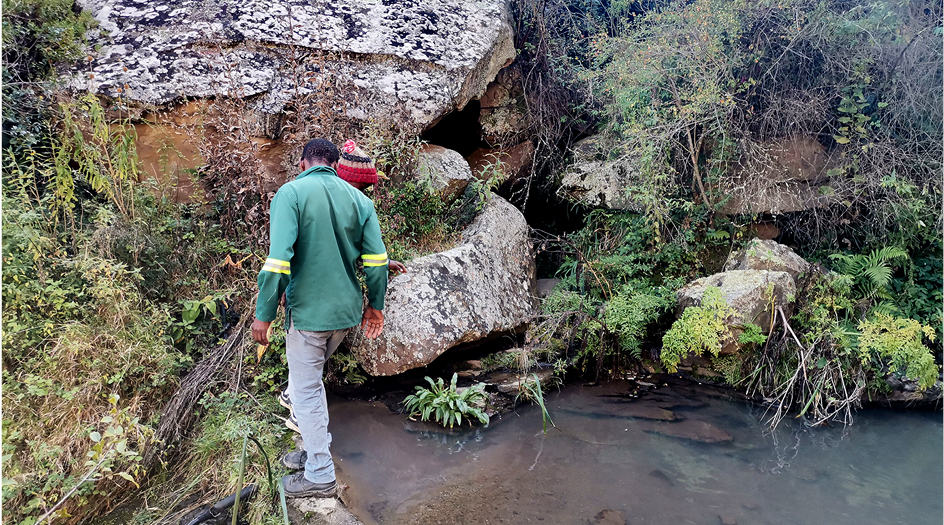
- Spring protection and self-supply systems for water access and security.
- Water efficient production systems (dryland and irrigated).
- Diversified food production systems, including Agroecology, Regenerative Agriculture, Agroforestry, and Integrated crop and livestock systems.
- Supporting green enterprises and the green economy.
- Innovation in food systems, with a focus on local low input innovations.
Some of our projects
ELI-FaNS Project:
The INR was the host organisation for South Africa for a project titled ‘Expanding the promotion of Local Innovation for Food Security and Healthy Nutrition to Strengthen Resilience, with a Focus on Women’ (ELI-FaNS, 2023-2025), which was funded by the German NGO, Misereor, and implemented in Benin, Burkina Faso, Ghana, Kenya and South Africa. This project focused on building evidence to support the institutionalisation of participatory development approaches that strengthen local innovation processes. The project was implemented at sites in Limpopo and KwaZulu-Natal Province. INR’s work focused on Swayimane and Ozwathini communities, where it worked with small-scale farmers to strengthen a number of innovations including developing livestock feed rations from local crop residues and adding value to indigenous vegetables.
Food Security Rapid Response Project:
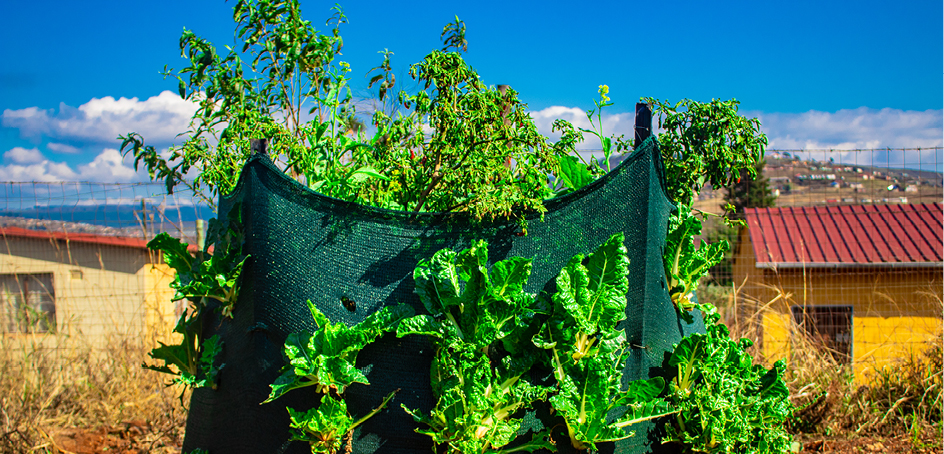
The United Nations Development Programme (UNDP) funded a rapid response project to address the impacts of the Covid-19 pandemic in 2020. Through this project, the INR coordinated the establishment of interventions for household food security across various sites around Pietermaritzburg and surrounding areas. A total of 127 households received a combination of smallstock and vegetable production systems that made use of grey water. The project was implemented through a system that relied on local facilitators to roll out the interventions.
Recent Articles
Celebrating Youth Month with Climate Change Youth Champions
In celebration of Youth Month, the “Innovative Partnerships for Change: Raising...
Read More22 May – International Biodiversity Day Celebration – Be part of the Plan
The Institute of Natural Resources (INR) in partnership with the...
Read MoreThe Institute of Natural Resources is a registered Non-profit Organisation (028-756-NPO) and Public Benefit Organisation (18/11/13/44/94).